Kenmore Series 100 Washer Manual: An Overview
This manual provides essential guidance for Kenmore Series 100 washer owners‚ covering installation‚ operation‚ maintenance‚ and troubleshooting.
Accessing manuals via ManualsLib is recommended for detailed information and support.
Congratulations on choosing a Kenmore Series 100 washing machine! This appliance is designed for reliable performance and efficient cleaning. This manual serves as a comprehensive guide to ensure you get the most out of your new washer. Before initial use‚ carefully review the safety precautions and operating instructions detailed within.
The Kenmore Series 100 washers‚ often one-speed or two-speed automatic models‚ are known for their simplicity and durability. Sears‚ Roebuck and Co. originally manufactured these machines‚ emphasizing user-friendly operation. Locating your washer’s model and serial number – found on the Model and Serial Number Plate – is crucial for requesting assistance or replacement parts. Proper installation and adherence to the provided guidelines will maximize the lifespan of your Kenmore Series 100 washer.
Locating Your Washer’s Model and Serial Number
Identifying your Kenmore Series 100 washer’s model and serial number is vital for accessing support‚ ordering parts‚ or referencing specific documentation. These numbers are located on the Model and Serial Number Plate. This plate is typically found on the cabinet of the washing machine‚ often behind the lid or on the rear panel.
Record these numbers in a safe place‚ as you’ll need them when contacting Kenmore customer service or requesting assistance from appliance repair professionals. The model number specifies the washer’s features and configuration‚ while the serial number indicates the date of manufacture and can help identify specific production runs. Having this information readily available streamlines any service or repair process‚ ensuring accurate assistance.
Installation Instructions
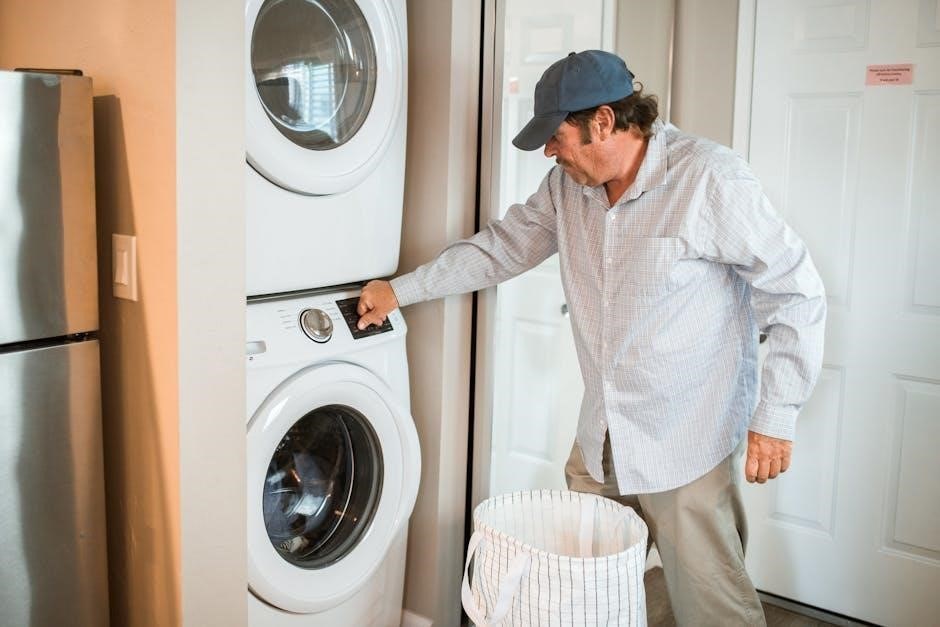
Proper installation is crucial for optimal performance. This section details unpacking‚ connecting water lines‚ and electrical grounding procedures for your Kenmore Series 100 washer.
Unpacking and Initial Setup
Carefully unpack your new Kenmore Series 100 washer‚ ensuring all packing materials are removed from both inside the drum and around the exterior. Inspect the washer for any visible damage that may have occurred during shipping.
Before initial setup‚ verify all components are present‚ referencing the included parts list. Position the washer on a level surface‚ ideally concrete‚ to minimize vibration during operation.
Adjust the leveling feet as needed to achieve stability. Remove the shipping bolts – failure to do so will cause severe damage – and retain them for potential future transport. Finally‚ wipe down the interior of the drum with a clean‚ damp cloth to remove any dust or debris accumulated during storage and shipping.
Connecting Water Supply Lines
Properly connecting the water supply lines is crucial for your Kenmore Series 100 washer’s operation. Locate the hot and cold water inlets on the back of the machine‚ typically marked accordingly. Attach new‚ approved washing machine hoses to both the water supply and the washer inlets.
Hand-tighten the connections first‚ then use pliers to gently tighten another half to three-quarters of a turn. Avoid over-tightening‚ which can damage the fittings. Ensure the hoses are not kinked or twisted.
Slowly turn on the water supply and check for leaks at both ends of each hose. If leaks are detected‚ immediately turn off the water and re-tighten the connections.
Electrical Requirements and Grounding
Your Kenmore Series 100 washer requires a dedicated 120-volt‚ 60Hz electrical supply. It’s essential to verify your home’s electrical system meets these requirements before installation. Never use an extension cord; plug the washer directly into a grounded outlet.
The washer must be properly grounded to prevent electrical shock. The power cord has a three-prong plug; do not remove the grounding pin. If a two-prong outlet is the only one available‚ consult a qualified electrician to install a properly grounded outlet.
Improper grounding can void the warranty and create a safety hazard. Always disconnect the power before performing any maintenance or repairs.
Operating Instructions
Effectively utilize your Kenmore Series 100 washer by understanding the control panel‚ selecting appropriate wash cycles‚ and correctly adding detergents for optimal cleaning.
Understanding the Control Panel
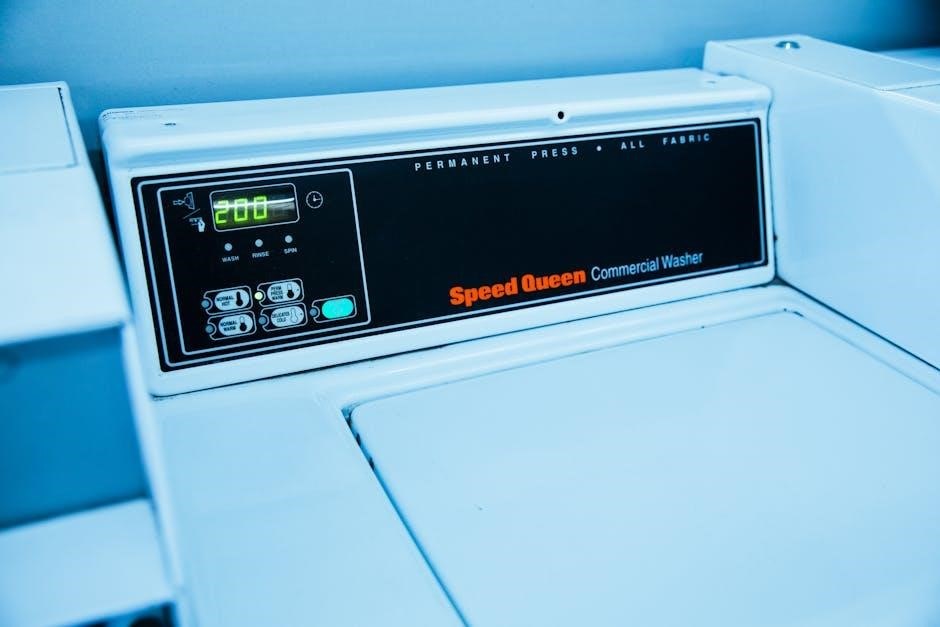
The Kenmore Series 100 washer’s control panel is designed for intuitive operation. Familiarize yourself with each setting before starting a wash cycle. Typically‚ you’ll find controls for water temperature selection – crucial for different fabric types. Cycle selectors allow you to choose from various wash programs‚ like delicate‚ normal‚ or heavy-duty.
Pay attention to the load size options; adjusting this ensures efficient water usage and optimal cleaning performance. The control panel also features start/pause buttons and potentially options for extra rinses or spin speeds. Always ensure the lid is closed‚ as a safety interlock prevents operation with an open lid. Refer to your specific model’s diagram within the full manual for precise control locations and functions.
Selecting Wash Cycles
The Kenmore Series 100 washer offers a range of wash cycles to accommodate diverse laundry needs. For everyday items‚ the ‘Normal’ or ‘Regular’ cycle is suitable. Delicate fabrics require the ‘Delicate’ or ‘Gentle’ cycle‚ using a slower agitation speed. Heavily soiled items benefit from the ‘Heavy Duty’ cycle‚ providing a more vigorous wash.
Consider the ‘Permanent Press’ cycle for wrinkle-resistant fabrics‚ and utilize the ‘Quick Wash’ for lightly soiled loads needing a fast refresh. Always check garment care labels before selecting a cycle. Some models may include specialized cycles like ‘Bulky Items’ or ‘Sheets’. Proper cycle selection ensures effective cleaning while protecting your clothes from damage.
Adding Detergent and Fabric Softener
Proper detergent and fabric softener usage is crucial for optimal cleaning and fabric care. Always use High Efficiency (HE) detergent if your Kenmore Series 100 is a High Efficiency model‚ as regular detergents create excessive suds. Follow the detergent manufacturer’s recommendations regarding the amount to use‚ adjusting based on load size and soil level.
Detergent is typically added to the designated dispenser‚ while fabric softener goes into a separate compartment. Avoid overfilling dispensers‚ as this can lead to residue on clothes. Never pour detergent or fabric softener directly onto garments. Using the correct amounts and dispensers ensures effective cleaning and prevents potential damage to your washer and clothes.
Starting and Pausing a Wash Cycle
To initiate a wash cycle‚ ensure the lid is securely closed – the washer won’t start otherwise. Press the ‘Start’ or ‘Cycle Start’ button to begin the selected wash program. The washer will automatically fill with water‚ agitate‚ rinse‚ and spin.
If you need to pause the cycle‚ press the ‘Pause’ or ‘Stop’ button. Be aware that pressing ‘Stop’ mid-cycle may not completely drain the water. To resume‚ simply press ‘Start’ again. Avoid interrupting cycles unnecessarily‚ as this can affect cleaning performance. Always allow the cycle to complete for best results and to prevent potential issues.
Troubleshooting Common Issues
Common problems include the washer failing to start‚ not draining‚ or lid switch malfunctions. Refer to this section for solutions and preventative measures.
Washer Won’t Start
If your Kenmore Series 100 washer isn’t starting‚ several factors could be at play. First‚ ensure the power cord is securely plugged into a functioning electrical outlet. Check your home’s circuit breaker or fuse box to confirm the circuit hasn’t tripped or blown.
Crucially‚ verify the lid is completely closed. The washer features a lid switch safety mechanism; if the lid isn’t properly latched‚ the machine won’t operate. A faulty lid switch itself can also prevent starting‚ requiring professional repair.
Additionally‚ confirm the water supply valves are fully open‚ as some models won’t initiate a cycle without adequate water pressure. Finally‚ review the control panel settings to ensure a wash cycle has been selected and the start button has been pressed.
Washer Not Draining
Encountering a Kenmore Series 100 washer that won’t drain is a common issue. Begin by checking the drain hose for any kinks or obstructions that might be blocking water flow. Ensure the drain hose is properly inserted into the standpipe and isn’t pushed in too far‚ which can cause siphoning.
Next‚ inspect the drain pump filter for clogs. This filter traps lint‚ debris‚ and small objects. Locate and carefully clean the filter‚ following the instructions in your owner’s manual.
A clogged drain pump itself can also be the culprit‚ potentially requiring professional service. Finally‚ verify the washer isn’t experiencing an error code related to draining‚ as indicated on the control panel.
Lid Switch Problems
A malfunctioning lid switch is a frequent cause of operational issues with the Kenmore Series 100 washer. This safety feature prevents the washer from spinning when the lid is open. If the washer doesn’t start‚ or stops mid-cycle‚ verify the lid is fully closed and latched.
A faulty lid switch may require replacement. Testing the switch with a multimeter can confirm its functionality‚ but this is best left to a qualified technician. The washer will not start or will stop during operation if the lid switch is defective.
Ensure nothing is obstructing the lid’s proper closure. A damaged lid or latch can also prevent the switch from engaging correctly.

Washer Care and Maintenance
Regular cleaning extends your Kenmore Series 100’s lifespan. This includes cleaning the interior‚ lint filter‚ and winterizing to prevent damage from freezing temperatures.
Cleaning the Washer Interior
Maintaining a clean washer interior is crucial for optimal performance and preventing odors. Regularly wipe down the drum with a damp cloth and mild detergent. For a more thorough clean‚ run an empty wash cycle with hot water and a cup of white vinegar. This helps dissolve mineral buildup and residue from detergents and fabric softeners.
Pay attention to the dispenser drawers‚ removing them periodically to clean out any accumulated buildup. Inspect the rubber gasket around the door (if applicable) for mold or mildew‚ cleaning it with a bleach solution if necessary – always ensuring proper ventilation. Avoid abrasive cleaners‚ as they can damage the washer’s surfaces. Consistent interior cleaning ensures your Kenmore Series 100 washer remains fresh and efficient.
Cleaning the Lint Filter
Regularly cleaning the lint filter is vital for maintaining your Kenmore Series 100 washer’s efficiency. A clogged filter restricts water flow and can reduce cleaning performance. The filter’s location varies by model‚ but it’s typically found inside the washer tub or near the water inlet hoses.
Remove the lint filter after each wash cycle or at least weekly. Gently pull out any accumulated lint‚ hair‚ and debris. Rinse the filter thoroughly under running water to remove any remaining particles. Ensure the filter is completely dry before reinstalling it to prevent mold growth. A clean lint filter promotes proper drainage and extends the life of your washing machine.
Winterizing Your Washer
Protecting your Kenmore Series 100 washer during freezing temperatures is crucial to prevent damage. If the washer is in an unheated area‚ disconnect both the water supply hoses and drain the water from them. Disconnect the drain hose and elevate it to allow complete drainage.
Pour a small amount of RV antifreeze into the drain hose to prevent freezing within the pump. Run the washer on a short spin cycle to distribute the antifreeze. Wipe down the interior of the drum and leave the lid slightly ajar to allow air circulation. This prevents moisture buildup and potential freezing issues‚ ensuring your washer is ready for spring.
Safety Information
Always prioritize safety when using your Kenmore Series 100 washer. Read all precautions carefully‚ and keep children supervised around the appliance.
Important Safety Precautions
To ensure safe operation of your Kenmore Series 100 washer‚ adhere to these crucial precautions. Always disconnect the power supply before cleaning or performing maintenance. Never operate the washer with a damaged cord or plug.
Ensure proper grounding to prevent electrical shock. Do not allow children to play with the washer or climb inside.
Always follow detergent manufacturer’s instructions and avoid using excessive amounts. Never open the lid while the washer is in operation‚ as this could cause injury.
If the washer is not draining properly‚ discontinue use and consult a qualified technician.
Regularly inspect hoses for cracks or leaks. Prioritize safety to prevent accidents and maintain the longevity of your appliance.
Child Safety Considerations
Protecting children is paramount when using the Kenmore Series 100 washer. Never leave children unattended near the appliance. The washer lid should always be closed when not in use to prevent accidental entrapment.
Detergents and fabric softeners are harmful if swallowed; store them securely out of children’s reach.
Educate children about the dangers of playing with the washer’s controls. Explain that the appliance is not a toy.
Ensure the washer is installed in a secure location‚ preventing children from accessing it unsupervised. Always supervise children when they are in the laundry area. A locked door can provide an extra layer of safety. Prioritize a safe laundry environment for your family.
Resources and Support
For additional assistance‚ explore ManualsLib for downloadable manuals and contact Kenmore customer service directly for specific inquiries or repair needs.
Finding Manuals Online (ManualsLib)
ManualsLib is a valuable online resource for locating your Kenmore Series 100 washer manual. This platform hosts a comprehensive collection of user manuals‚ installation guides‚ and other helpful documents for a wide range of Kenmore appliances. Searching on ManualsLib is straightforward; simply enter “Kenmore Series 100 washer” or your specific model number into the search bar.
You’ll likely find the Owners Manual and Installation Instructions readily available for download in PDF format. These documents contain crucial information regarding safety precautions‚ operating procedures‚ troubleshooting tips‚ and detailed diagrams. Accessing the manual online eliminates the need to physically store paper copies and ensures you always have the latest information at your fingertips. ManualsLib provides a convenient and accessible way to maintain and operate your Kenmore washer effectively.
Kenmore Customer Service Contact Information
For direct assistance with your Kenmore Series 100 washer‚ contacting Kenmore Customer Service is recommended. While specific contact details may vary‚ generally‚ you can reach them through the Sears website‚ as Sears‚ Roebuck and Co. historically manufactured Kenmore appliances. Locate the support section and search for Kenmore appliance assistance.
You will likely need your washer’s complete model and serial number when contacting support‚ so ensure you have this information readily available. Customer service representatives can assist with troubleshooting‚ parts ordering‚ warranty inquiries‚ and locating additional resources. Alternatively‚ visiting your nearest Sears store may provide in-person support and access to knowledgeable staff. Remember to check the official Sears website for the most up-to-date contact information.