E99 Pro Drone Manual PDF: A Comprehensive Guide
Discover a detailed resource for your E99 Pro drone! This guide, available in multiple languages like French, Italian, and Russian, offers essential instructions –
despite some versions initially being in Chinese.
Welcome to the world of aerial photography and videography with the E99 Pro Drone! This foldable HD drone is designed for both beginners and enthusiasts, offering a user-friendly experience coupled with impressive features. The E99 Pro boasts a 4K camera (single or dual options available) and utilizes WIFI for First Person View (FPV) transmission, allowing you to see exactly what your drone sees in real-time.
This drone is quickly gaining popularity, however, initial experiences sometimes highlight a challenge: the original manual often comes in Chinese. This can be frustrating for users who are not fluent in the language. Fortunately, a wealth of resources are emerging to address this, including translated versions and online tools to assist with understanding the drone’s operation and maximizing its potential.
This comprehensive guide aims to bridge that gap, providing clear and concise instructions to help you safely and effectively operate your E99 Pro. We will cover everything from initial setup and flight controls to camera settings and troubleshooting common issues. Prepare to unlock a new perspective and capture stunning aerial footage!
Understanding the Package Contents
Upon receiving your E99 Pro Drone, carefully inspect the package to ensure all components are present. A standard package typically includes the E99 Pro drone itself, a remote controller, an intelligent flight battery, and a set of propellers (often including spares). You should also find a battery charger, a screwdriver for propeller installation, and potentially a gimbal protector.
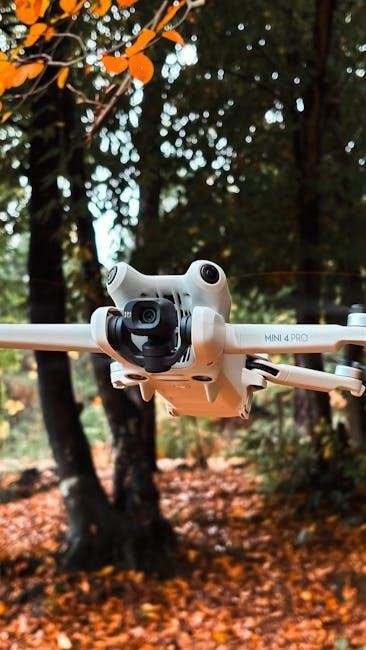
Crucially, verify the presence of any documentation, although, as noted in user feedback, the primary manual may be in Chinese. Don’t be alarmed if the initial manual isn’t in your preferred language; supplemental resources and translated versions are becoming increasingly available online. Look for a USB cable for charging and data transfer, and potentially landing gear depending on the specific bundle.
It’s vital to cross-reference the physical contents with the package list provided (if available). If anything is missing or damaged, immediately contact the seller or manufacturer. Familiarizing yourself with each component before the first flight will contribute to a safer and more enjoyable experience. Retain the original packaging for potential returns or warranty claims.
Safety Precautions Before Flight
Prior to each flight with your E99 Pro Drone, meticulous safety checks are paramount. Always fly in open areas, away from people, buildings, and obstacles like power lines or trees. Be aware of local regulations and airspace restrictions; operating a drone illegally can result in fines or penalties.
Before takeoff, ensure the propellers are securely attached and undamaged. Verify the battery is fully charged and properly installed. Calibrate the compass according to the manual’s instructions – even if the initial documentation is in Chinese, online resources can assist. Check weather conditions; avoid flying in rain, strong winds, or fog.
Maintain visual line of sight with the drone at all times; Never fly over crowds or moving vehicles. Understand the drone’s return-to-home (RTH) function and its limitations. Familiarize yourself with emergency procedures, including how to cut the motors in case of malfunction. Remember, responsible operation ensures both your safety and the safety of others.
Drone Components and Their Functions
The E99 Pro Drone comprises several key components working in unison. The frame, typically foldable, provides structural integrity. Motors and propellers generate lift and control movement. A camera, often 4K capable with single or dual lens options, captures photos and videos, transmitting footage via WIFI for FPV (First Person View) operation.
The battery powers the drone, with flight time varying based on usage. A GPS module enables precise positioning and RTH functionality. An ESC (Electronic Speed Controller) regulates motor speed. The flight controller, the drone’s ‘brain’, processes inputs and manages stability.
LED indicators communicate drone status (battery level, GPS signal, etc.). The remote controller transmits commands to the drone. Understanding each component’s role – even with a manual initially in a language like Chinese – is crucial for safe and effective operation. Proper component maintenance, like propeller replacement, ensures optimal performance.
Battery Installation and Charging
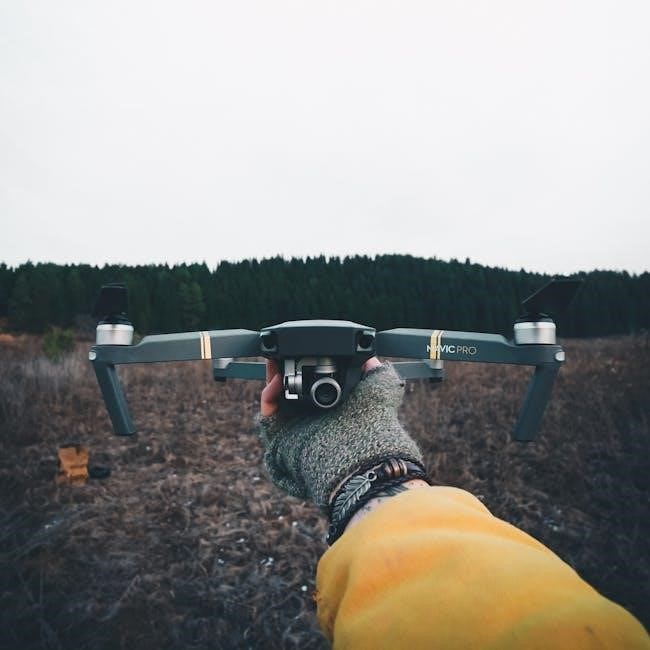
Proper battery handling is vital for E99 Pro Drone safety and longevity. Installation involves securely placing the charged battery into the designated holder within the drone’s frame. Ensure a firm connection to power the drone; correct installation is indicated by corresponding LED illumination.
Charging typically requires a dedicated USB charger, often included in the package. Connect the battery to the charger and a power source. Monitor the charging process; LEDs usually indicate charging status (red for charging, green for fully charged). Avoid overcharging, as it can damage the battery.
Always use the specified charger to prevent compatibility issues and potential hazards. Refer to the manual – even if initially in languages like French, Italian, or Russian, utilizing translation tools – for specific charging times and voltage requirements. Disconnect the battery once fully charged. A fully charged battery is essential for optimal flight performance, and understanding these steps, despite initial manual language barriers, is key.
Remote Controller Overview
The E99 Pro drone’s remote controller is your primary interface for flight control. Familiarize yourself with its layout before your first flight. Key components include the power button, control sticks (throttle and yaw), and dedicated buttons for takeoff, landing, and speed adjustments.
Understand the function of each button and stick. The left stick typically controls altitude (throttle) and rotation (yaw), while the right stick manages forward/backward movement and left/right strafing. Many controllers feature customizable buttons for specific functions, detailed in the manual – even if requiring translation from languages like French or Russian.
The controller also houses the FPV screen (if equipped) or a smartphone holder for utilizing the drone’s camera feed. Pay attention to the battery level indicator on the controller. A fully charged controller is crucial for uninterrupted flight. Though the initial manual might be in Chinese, translation tools can unlock its full functionality, ensuring you master every aspect of the remote’s operation.
Propeller Installation and Replacement
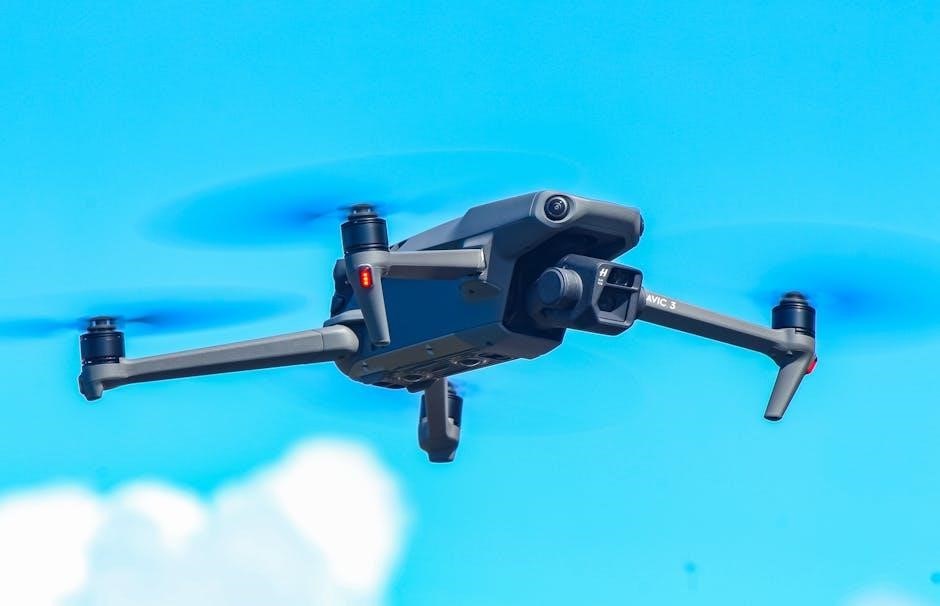
Correct propeller installation is vital for safe and stable flight with your E99 Pro drone. The manual, though sometimes found initially in Chinese, details the specific propeller types (A and B) and their corresponding motor arms. Propellers are not interchangeable; using the wrong one will hinder flight performance.
Each propeller is marked with a letter – ‘A’ or ‘B’ – and must be attached to the correctly designated motor. The manual provides a clear diagram illustrating the correct placement. When replacing damaged propellers, ensure you use genuine replacement parts to maintain optimal performance and safety.
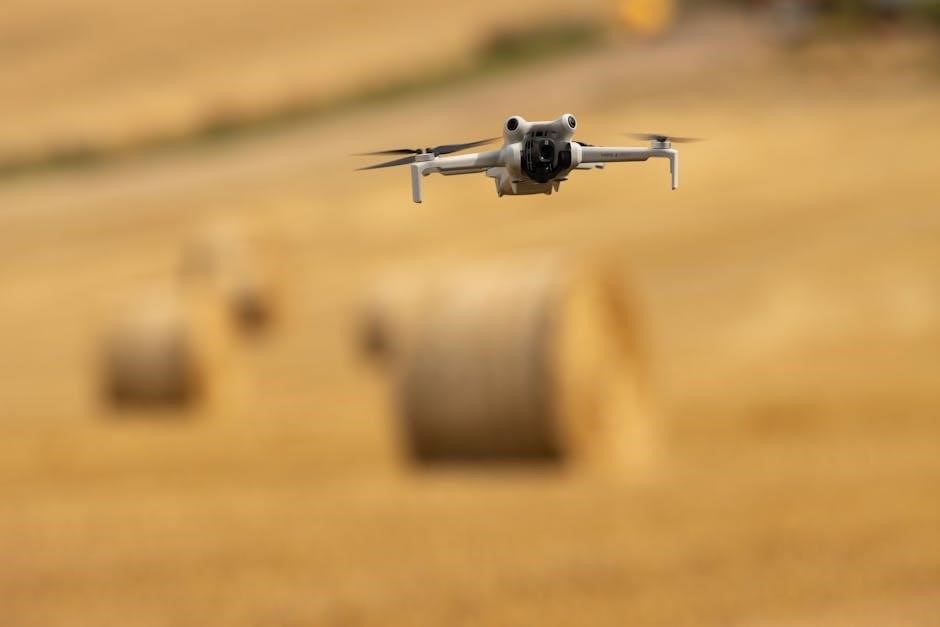
To install, firmly press the propeller onto the motor shaft and rotate it to lock it into place. To remove, press down and rotate in the opposite direction. Regularly inspect propellers for cracks or damage. Even with a French, Italian, or Russian manual, diagrams are key. Translation tools can help decipher textual instructions, ensuring proper installation and preventing flight issues.
Initial Setup and Activation
Before your first flight with the E99 Pro, careful initial setup is crucial. The PDF manual, available in languages including French, Italian, and Russian (though sometimes initially in Chinese), guides you through this process. Begin by fully charging the drone’s battery – a step detailed within the manual’s battery section.
Next, install the propellers correctly, referencing the diagrams to ensure proper placement (A or B on the corresponding motors). Power on the drone and the remote controller. The activation process typically involves pairing the two devices, a procedure clearly outlined in the manual. Calibration of the gyroscope is also essential for stable flight.
Follow the manual’s instructions for compass calibration, which may require rotating the drone horizontally and vertically. Ensure you are in an open area, away from metal objects and interference. Translation tools can assist if you encounter difficulties with a non-English manual version. Successful initial setup guarantees a smoother and safer flying experience.
Flight Modes and Controls
The E99 Pro drone’s PDF manual, accessible in multiple languages including French, Italian, and Russian (with some initial versions in Chinese), details its various flight modes and control schemes. Typically, the drone offers modes like beginner, intermediate, and expert, each adjusting flight sensitivity and speed.
Control is primarily managed via the remote controller, with joysticks governing altitude, direction, and rotation. The manual illustrates the function of each button and switch, explaining features like headless mode (allowing for direction-independent control) and automatic return-to-home functionality. Understanding these controls is vital for safe operation.
Furthermore, the manual explains how to utilize the drone’s GPS capabilities for precise positioning and stable hovering. It also covers advanced maneuvers, such as 360-degree flips, and how to adjust settings for optimal performance. Translation tools can be invaluable if navigating a manual not in your preferred language. Mastering these modes enhances the flying experience.
Camera Functionality and Settings
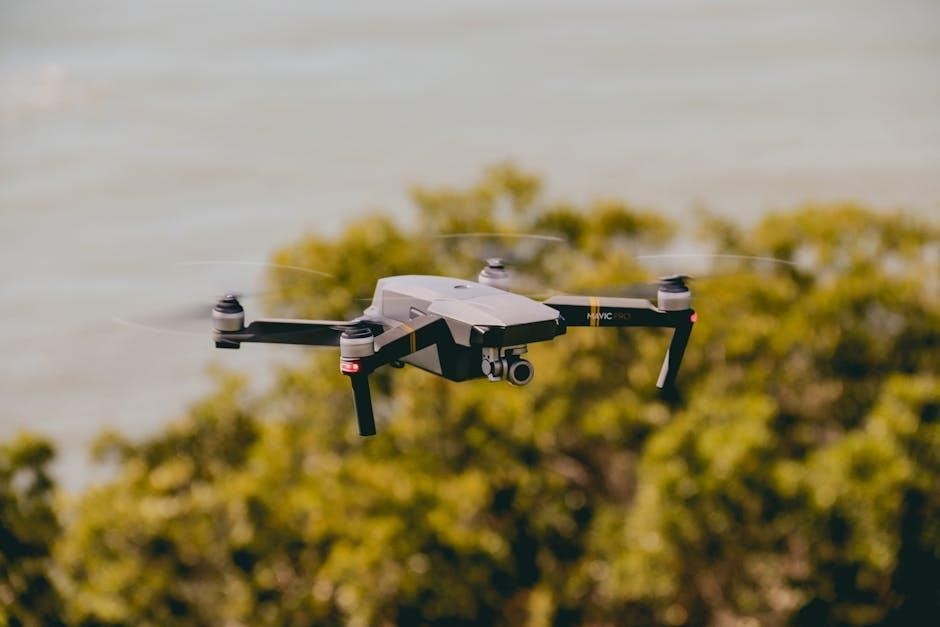
The E99 Pro drone, as detailed in its PDF manual (available in languages like French, Italian, and Russian, though some initial copies were in Chinese), boasts a 4K camera with single or dual lens options. The manual thoroughly explains camera settings, including resolution adjustments, photo and video modes, and electronic image stabilization (EIS) features.
Users can learn how to access and navigate the camera interface through the remote controller and the associated mobile app. The manual illustrates how to adjust white balance, exposure, and ISO settings for optimal image quality in varying lighting conditions. It also covers the use of gesture control for hands-free photo and video capture.
Furthermore, the guide explains how to download and transfer photos and videos from the drone to a smartphone or computer. It details the FPV (First Person View) transmission process and how to optimize camera settings for live streaming. Translation tools prove useful when consulting manuals in different languages, ensuring clear understanding of all features.
FPV (First Person View) Operation

The E99 Pro drone’s PDF manual – accessible in multiple languages including French, Italian, and Russian, despite some initial versions being in Chinese – dedicates a section to FPV operation. This feature allows pilots to experience flight from the drone’s perspective, streamed directly to a smartphone or compatible device.
The manual details the necessary steps for establishing a stable Wi-Fi connection between the drone and the mobile app, crucial for seamless FPV transmission. It explains how to adjust video quality settings to optimize the streaming experience based on network conditions and device capabilities. Users will find instructions on minimizing latency and ensuring a clear, real-time video feed.
Troubleshooting tips are provided for common FPV issues, such as signal interference or connection drops. The guide also emphasizes the importance of maintaining a visual line of sight with the drone, even when utilizing FPV mode. Translation tools can assist in understanding the manual if accessed in a foreign language, maximizing the FPV experience.
Troubleshooting Common Issues
The E99 Pro drone’s PDF manual, available in languages like French, Italian, and Russian (though some initial copies were in Chinese), includes a dedicated troubleshooting section. This is vital for new and experienced pilots alike, addressing frequent operational challenges.
Common issues covered include propeller installation problems, battery charging difficulties, and remote control connectivity failures. The manual provides step-by-step solutions, often accompanied by illustrative diagrams, to guide users through the resolution process. It details how to identify and rectify signal interference impacting flight stability and FPV transmission.
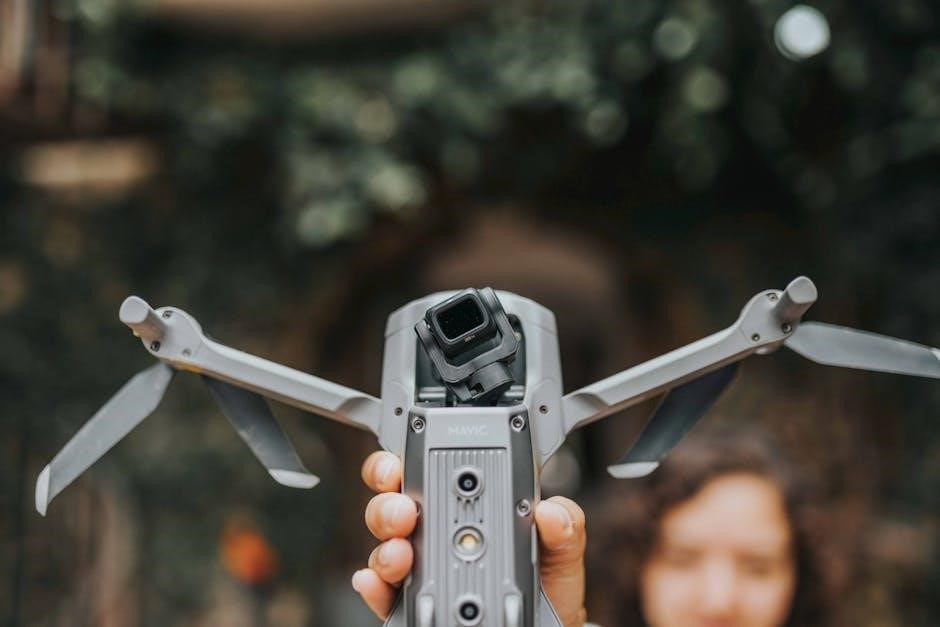
Furthermore, the guide addresses scenarios like drone drift, unresponsive controls, and unexpected return-to-home activation. It emphasizes the importance of checking propeller alignment, battery levels, and ensuring a clear line of sight. Translation tools are helpful for users accessing manuals in languages other than their native tongue, ensuring effective problem-solving. The manual aims to empower users to independently resolve issues and maintain optimal drone performance.
Low Battery Warning and Return to Home
The E99 Pro drone’s PDF manual – accessible in French, Italian, Russian, and originally sometimes in Chinese – dedicates significant attention to low battery protocols and the Return to Home (RTH) function. Understanding these features is crucial for safe operation and preventing drone loss.
The manual details the visual and audible warnings the drone provides when battery levels are critically low. These include flashing LED indicators and beeping sounds, prompting the pilot to initiate the RTH sequence. It explains how the RTH function automatically guides the drone back to its takeoff point, utilizing GPS technology.
Crucially, the guide emphasizes factors that can affect RTH accuracy, such as GPS signal strength and potential obstructions. It advises pilots to monitor battery levels closely during flight and to be prepared to manually land the drone if RTH fails. Translation tools can assist users in understanding these vital safety features, regardless of the manual’s original language. Proper understanding ensures responsible drone operation and minimizes risks.
Understanding LED Indicators
The E99 Pro drone’s PDF manual, available in languages including French, Italian, and Russian (though initially sometimes only in Chinese), provides a detailed explanation of the drone’s LED indicator system. These lights communicate crucial information about the drone’s status, from battery levels to GPS connectivity and flight mode.
The manual clarifies the meaning of different LED colors and flashing patterns. For example, a solid green light typically indicates a stable GPS connection, while a flashing red light signals a low battery or potential error. Understanding these signals is vital for safe and informed operation.
It details how the LEDs behave during the takeoff, landing, and Return to Home (RTH) procedures. The guide also explains how to interpret LED indicators in troubleshooting scenarios. Translation tools are helpful for users accessing manuals in different languages. Mastering the LED indicator system allows pilots to quickly assess the drone’s condition and respond appropriately, enhancing flight safety and control.
PDF Manual Availability and Download Sources
Locating the E99 Pro drone’s PDF manual can sometimes present a challenge, as initial releases were often found only in Chinese. However, translated versions in French, Italian, and Russian are increasingly available online. Several sources offer downloadable copies, though verifying authenticity is crucial.
Online retailers who sell the E99 Pro frequently provide links to the manual on their product pages. Dedicated drone enthusiast forums and communities often host shared links to PDF versions, alongside user-created guides and troubleshooting tips. Utilizing translation tools, like those from Reverso or Google Translate, can assist with understanding manuals initially in other languages.
Be cautious when downloading from unfamiliar websites. Always scan downloaded files for viruses. Some users have reported finding manuals bundled with unwanted software. Direct links from the manufacturer or reputable retailers are the safest options. A comprehensive understanding of the manual is essential for safe and effective drone operation.
Language Support in the Manual (French, Italian, Russian)
Recognizing the global user base, the E99 Pro drone manual is offered in several languages beyond the original Chinese version. French, Italian, and Russian translations are now commonly available, catering to a wider audience and enhancing accessibility for international customers. These translated versions aim to provide clear and accurate instructions, ensuring users can safely and effectively operate their drones.
The availability of these translations is particularly helpful for those less familiar with technical documentation in English. Resources like Reverso and Google Translate can further assist in understanding specific sections or terminology. However, relying on official translated manuals is always recommended for critical safety information and operational procedures.
While the quality of translations may vary, the effort to provide multi-language support demonstrates a commitment to user experience. Users should verify the manual’s source to ensure they are using an official and up-to-date version, especially when dealing with safety-critical aspects of drone operation.
Translation Tools for the Manual
For users encountering the E99 Pro drone manual in Chinese or requiring clarification in their native language, several translation tools can prove invaluable. Online services like Reverso offer free translation between English and numerous languages, including French, Spanish, Italian, German, and Russian – all languages the manual is, or can be, accessed in.
Google Translate is another readily available option, instantly translating words, phrases, and even entire web pages. DeepL is also a powerful tool, known for its accurate and contextually relevant translations, suitable for both individual users and teams. ChatGPT can also provide quick translations, respecting the original text’s tone.
However, it’s crucial to remember that machine translations aren’t always perfect. Technical documentation requires precision, so verifying translated information with official sources or experienced drone users is highly recommended. These tools are best used as aids to understanding, not as replacements for a properly translated manual.